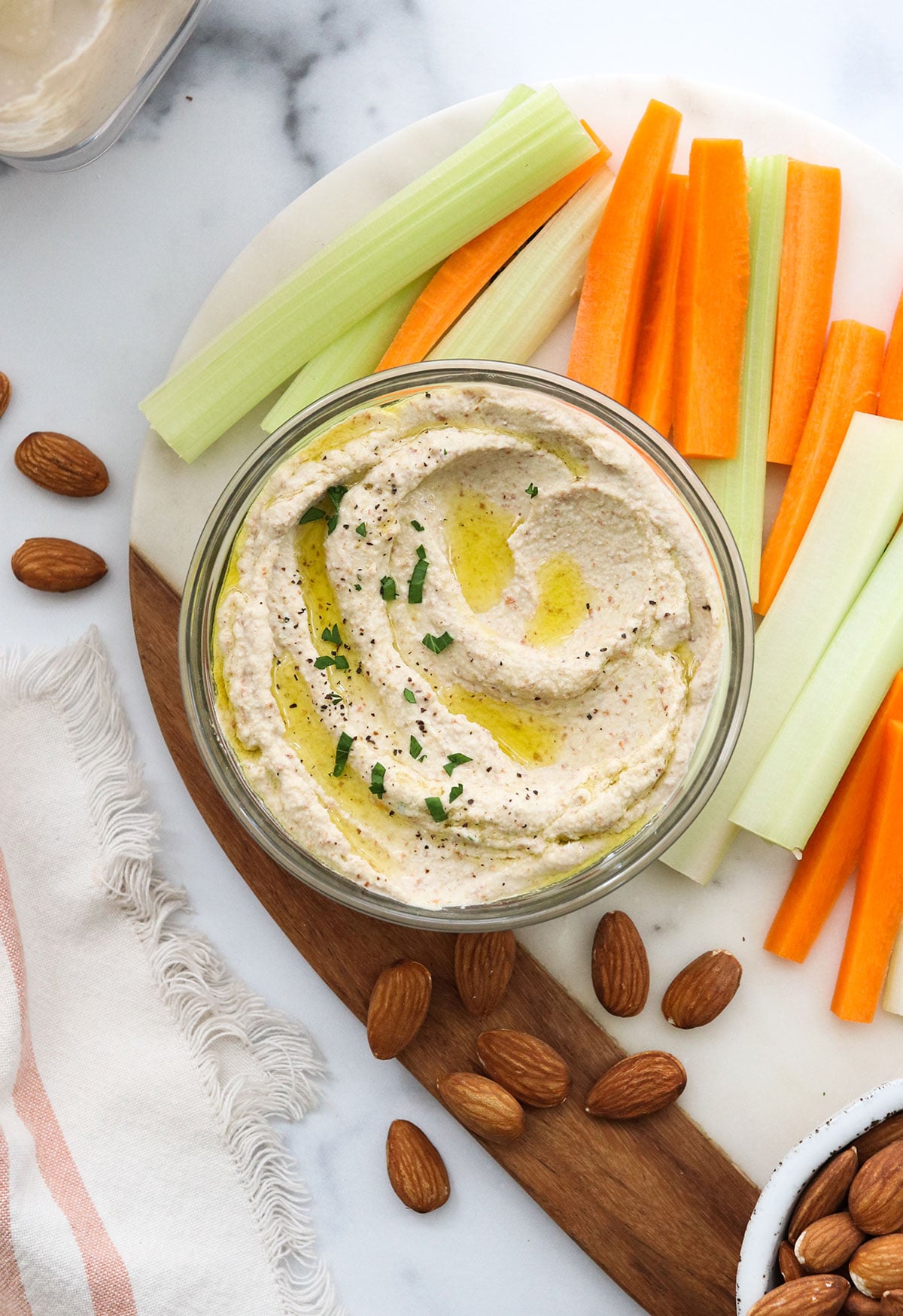
Delicious Almond Pulp Hummus: A Creamy, Flavorful, and Zero-Waste Revelation
If you're among the growing number of people making homemade almond milk, you're likely familiar with the dilemma: what to do with the leftover almond pulp? Often overlooked or discarded, this fibrous byproduct holds incredible culinary potential. While many recipes for almond pulp involve lengthy dehydration processes, we're here to introduce you to a game-changer that requires no such fuss: delicious almond pulp hummus. This isn't just a clever way to reduce food waste; it's a truly delightful dip that rivals its traditional chickpea cousin in creaminess and flavor, making it a perfect staple for any kitchen.
Imagine a hummus that's rich, smooth, and bursting with the familiar zesty notes of lemon and garlic, yet made entirely from something you might have otherwise thrown away. That's the magic of
quick almond pulp hummus. It’s an incredibly easy recipe that transforms humble almond pulp into a gourmet snack or appetizer in minutes, proving that sustainable eating can be both simple and incredibly tasty.
The Genius Behind Almond Pulp Hummus: A Zero-Waste Solution
The journey to delicious almond pulp hummus begins with a simple act of culinary ingenuity: transforming what was once considered waste into a valuable ingredient. For anyone who regularly whips up fresh almond milk, the accumulated pulp can be a minor headache. While some might consider drying it to create a flour or meal, this process can be time-consuming and energy-intensive. This is precisely where almond pulp hummus shines as a revolutionary zero-waste hack.
Instead of dehydrating, grinding, and then rehydrating the pulp, this recipe leverages the pulp's inherent moisture directly after milk extraction. This immediacy is a huge part of its appeal, eliminating extra steps and making it an instant gratification recipe. It's a testament to mindful cooking, encouraging us to look at every part of an ingredient with potential. Not only does it divert perfectly good, nutritious fiber from the bin, but it also provides a genuinely satisfying answer to the "what's for snack?" question. It allows you to maximize the value of your almonds, getting both fresh milk and a fantastic dip from a single batch of nuts. This commitment to using every part of the food we prepare is not only environmentally conscious but also unlocks new avenues for flavor and texture that might otherwise remain unexplored.
Unveiling the Creamy Texture and Authentic Flavor Profile
One of the most remarkable aspects of almond pulp hummus is its ability to mimic the luxurious texture and authentic taste of traditional chickpea hummus. You might be skeptical that a dip made from "leftovers" could stand up to such a comparison, but prepare to be pleasantly surprised. The fine, moist consistency of the almond pulp, especially when blended with key hummus ingredients like tahini, lemon juice, garlic, and a touch of salt, creates an incredibly smooth and spreadable dip. It's rich, creamy, and satisfyingly thick, without any hint of grittiness.
The flavor profile is equally captivating. The natural sweetness of the almonds provides a subtle background note, which is then brilliantly complemented by the pungent kick of fresh garlic, the bright zest of lemon, and the nutty depth of tahini (sesame paste). Together, these ingredients meld into a harmonious blend that is distinctly "hummus," but with its own unique character. Many who try it find it hard to believe that chickpeas aren't involved at all! Even those who aren't typically big hummus enthusiasts, or picky eaters like the nine-year-old son mentioned in our references who loves anything with garlic, find this almond pulp version to be a resounding success. The pulp forms a wonderfully neutral yet filling base, allowing the classic hummus flavors to truly shine, making it an ideal candidate for an everyday staple in your fridge.
The Unbeatable Ease: From Pulp to Perfection in Minutes
Perhaps the single most compelling reason to embrace almond pulp hummus is its unparalleled ease of preparation. Forget recipes that demand hours of drying, overnight soaking, or complex cooking processes. This recipe is designed for instant gratification, making it accessible even on the busiest of days. The beauty lies in its simplicity: you can transition directly from making a batch of fresh almond milk to creating this delectable dip without any additional steps like dehydration.
This means that within minutes of straining your homemade almond milk, you can have a fresh, flavorful hummus ready to enjoy. All it takes is tossing the wet almond pulp into a food processor with your preferred hummus ingredients – tahini, lemon juice, garlic, and seasoning – and blending until smooth and creamy. Seriously, it's that fast. This "no dehydration needed" approach sets it apart from many other almond pulp recipes, which often deter home cooks due to their time commitment. The immediate usability of the wet pulp ensures maximum efficiency and freshness, making it a perfect solution for a healthy, quick snack whenever the craving strikes. For those looking for an effortless way to
transform almond pulp into easy hummus that tastes like chickpeas, this method is truly a revelation. While letting the flavors meld in the fridge for a couple of hours is recommended for optimal taste development, it's perfectly delicious eaten straight away if you just can't wait!
Customization and Versatility: Your Almond Pulp Hummus, Your Way
Beyond its ease and delicious taste, almond pulp hummus offers fantastic opportunities for customization, allowing you to tailor it perfectly to your palate and what you have on hand. Think of it as a blank canvas waiting for your culinary creativity. While the basic recipe provides a fantastic foundation, don't hesitate to experiment with additions and adjustments.
Personalizing Your Batch:
- Roasted Red Peppers: Blend in some roasted red peppers for a smoky, sweet, and vibrant hue.
- Herbs: Fresh cilantro, parsley, or dill can add a burst of freshness.
- Spices: Cumin is a classic hummus spice; a pinch of smoked paprika or a dash of cayenne can add warmth and a subtle kick.
- Extra Garlic/Lemon: Feel free to adjust the amount of garlic and lemon juice to your liking. Love a garlicky punch? Go for it! Prefer it tangier? Add more lemon.
- Sun-Dried Tomatoes: A few sun-dried tomatoes (oil-packed or rehydrated) can add a rich, umami depth.
- Spicy Kick: A drizzle of sriracha, a pinch of chili flakes, or a jalapeño can turn up the heat.
Serving Suggestions:
The versatility of almond pulp hummus makes it a staple for any occasion.
- Crudités: Perfect with classic carrot sticks, cucumber slices, bell pepper strips, or celery.
- Crackers & Bread: Spread it on flax crackers, rice cakes, pita bread, or a slice of your favorite sourdough.
- Sandwiches & Wraps: Use it as a creamy, flavorful spread instead of mayonnaise.
- Salad Bowls: Dollop a generous spoonful onto grain bowls or leafy green salads for added creaminess and protein.
- As a Side: A fantastic accompaniment to grilled vegetables or falafel.
- Eggs: A dollop on scrambled eggs or an omelette adds a wonderful savory element.
This hummus also stores beautifully! Kept in an airtight container, it remains fresh and delicious in the fridge for up to a week. For longer storage, it even freezes well, allowing you to batch-make and enjoy this healthy dip whenever you desire.
Beyond the Basics: Nutritional Benefits and Why You Should Try It
Opting for almond pulp hummus isn't just about delicious taste and zero-waste living; it also brings with it a host of nutritional benefits that make it an incredibly healthy addition to your diet. While making almond milk extracts some of the fats, the leftover pulp remains a nutrient powerhouse. It's an excellent source of dietary fiber, which is crucial for digestive health, promoting regularity, and contributing to a feeling of fullness – helping to keep those snack cravings at bay.
Furthermore, almond pulp still contains a significant amount of plant-based protein, healthy fats, and a range of vitamins and minerals inherent in almonds, such as Vitamin E, magnesium, and calcium. By turning it into hummus, you're creating a wholesome, unprocessed snack that is naturally vegan, gluten-free (if using gluten-free tahini and servings), and rich in micronutrients. It's a smart choice for anyone looking to incorporate more plant-based foods into their diet or simply seeking a healthier alternative to store-bought dips that may contain unwanted additives. Embracing homemade almond milk, if you don't already, opens up a world of possibilities, with this creamy, rich, and flavorful almond pulp hummus leading the charge as a must-try recipe. It's a clear demonstration that healthy, sustainable eating can be both easy and incredibly satisfying.
Conclusion
From its humble beginnings as a byproduct of homemade almond milk, almond pulp hummus emerges as a culinary triumph – a testament to creativity, sustainability, and delicious flavor. This creamy, rich, and zesty dip not only provides an ingenious solution to food waste but also delivers a truly satisfying taste experience that rivals traditional hummus. With its effortless preparation, requiring no lengthy dehydration, and endless customization possibilities, it's poised to become a beloved staple in your kitchen. So, next time you're straining your homemade almond milk, remember the potential held within that moist, versatile pulp. Transform it into a healthy, flavorful, and incredibly easy snack, and discover the joy of delicious almond pulp hummus.