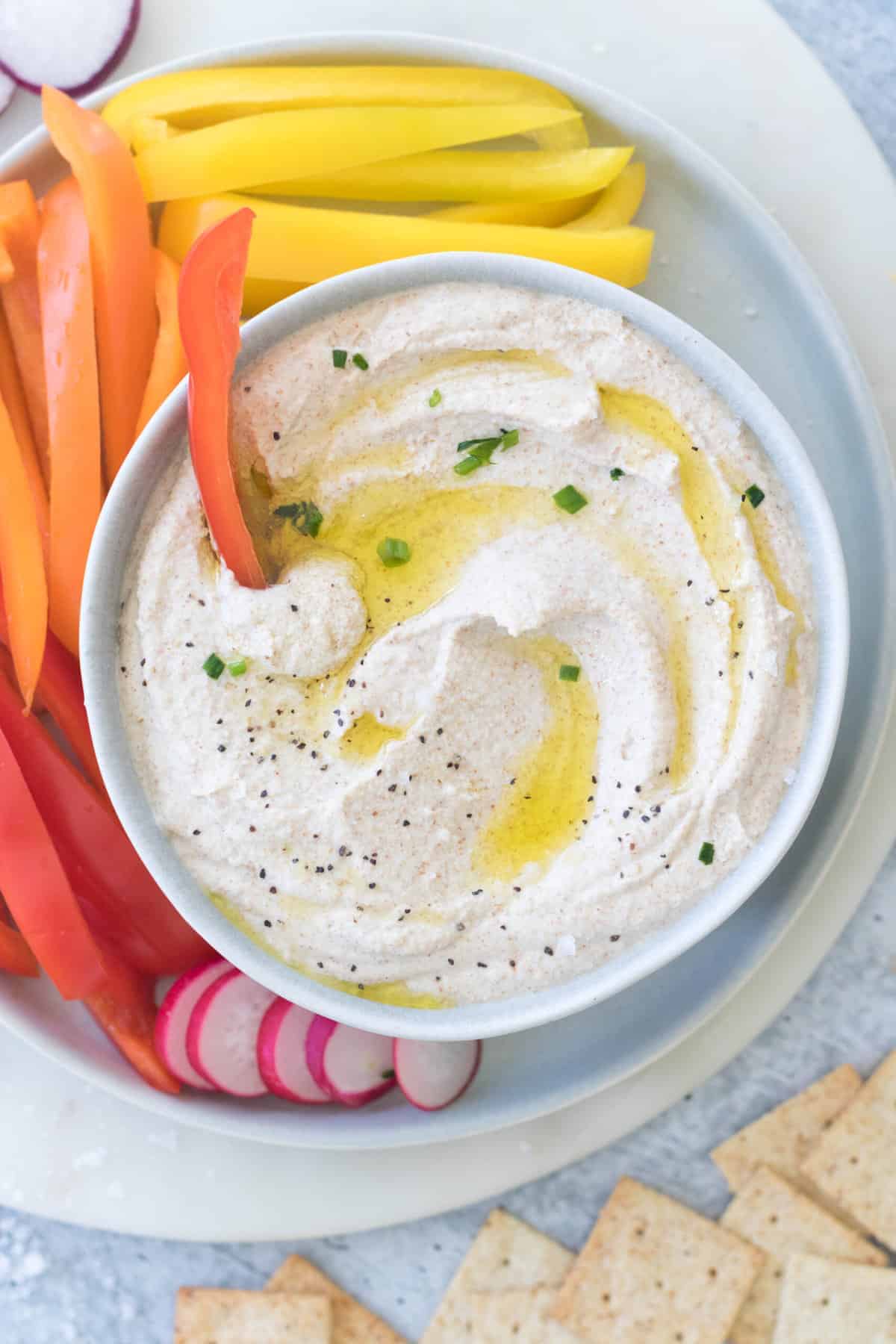
Transforming Waste into Wonder: The Allure of Almond Pulp Hummus
For anyone who regularly crafts homemade almond milk, a familiar conundrum arises: what to do with the leftover almond pulp? This often-discarded byproduct is a treasure trove of fiber and nutrients, yet many struggle to find compelling ways to utilize it. Enter the hero of sustainable snacking and culinary innovation: almond pulp hummus. This ingenious creation not only solves your zero-waste dilemma but also delivers a rich, creamy, and incredibly flavorful dip that astonishingly tastes just like traditional chickpea hummus.
Imagine whipping up a batch of creamy hummus in minutes, knowing you're making the most of every last almond. This isn't just a clever hack; it's a genuinely delicious and healthy alternative that will surprise even the most ardent hummus aficionados. The beauty lies in its simplicity: unlike many almond pulp recipes that demand lengthy dehydration, this hummus embraces the pulp in its natural, wet state. This means you can go from making fresh almond milk to a delectable, ready-to-eat dip without missing a beat, making it an incredibly convenient and immediate culinary triumph. It's a testament to how easily you can integrate sustainability into your everyday cooking, turning potential waste into a cherished kitchen staple.
The Culinary Magic of Almond Pulp Hummus: A Zero-Waste Delight
The journey from almond milk byproduct to a gourmet dip is nothing short of culinary magic. The very essence of almond pulp hummus lies in its ability to mimic the texture and taste of its chickpea counterpart so closely that many won't even realize the difference. How does it achieve this feat? The fine, creamy consistency of wet almond pulp, when blended with classic hummus ingredients, perfectly emulates the smoothness of ground chickpeas, while its relatively neutral flavor provides an ideal canvas for the vibrant notes of garlic, lemon, and tahini.
Beyond its impressive flavor profile, this recipe is a powerful statement in the world of zero-waste cooking. Homemade almond milk produces a significant amount of pulp, and finding uses for it can be challenging. While options like baking, energy bites, or even savory crackers exist, they often require extra steps like dehydrating the pulp, which can be time-consuming. This Quick Almond Pulp Hummus: No Dehydration Needed for a Healthy Dip bypasses that entirely, allowing you to use the fresh, wet pulp immediately. This not only saves you effort but also preserves the moisture and some of the delicate nutty flavor that might otherwise be lost through drying. It's a win-win for both your palate and the planet, transforming a potential waste product into a valuable and versatile ingredient.
For those of us who make raw almond milk every few days, the continuous stream of pulp can become a burden. This hummus recipe offers a solution that's not just occasional but can become a regular staple. It's robust enough to stand on its own as a daily snack or side, ensuring that you utilize your almond pulp as quickly as you generate it. This practical approach to sustainable eating makes homemade almond milk even more appealing, knowing that every component is put to good use.
Crafting Your Perfect Almond Pulp Hummus: A Simple Recipe Guide
Creating your own batch of almond pulp hummus is remarkably straightforward, requiring minimal fuss and just a few essential ingredients you likely already have on hand for traditional hummus. The core components include your fresh, wet almond pulp, tahini, fresh lemon juice, garlic, olive oil, and a touch of salt and cumin for that authentic hummus flavor. The beauty of this recipe lies in its adaptability and the immediate gratification it offers—no waiting around for pulp to dry!
Here’s a simplified approach to making this delightful dip:
- Gather Your Pulp: Start with freshly squeezed almond pulp. The wetter, the better for achieving a creamy consistency. Avoid dried or dehydrated pulp for this specific recipe, as it will alter the texture significantly.
- Combine Ingredients: In a food processor, combine the almond pulp, tahini, minced garlic cloves (adjust to your preference; garlic lovers might add more!), fresh lemon juice, a good drizzle of olive oil, salt, and cumin.
- Blend Until Smooth: Process the mixture until it’s incredibly smooth and creamy. You might need to scrape down the sides of the bowl a few times. If the mixture is too thick, add a tablespoon or two of cold water, or even a little extra lemon juice or olive oil, until you reach your desired consistency.
- Taste and Adjust: This is a crucial step! Taste the hummus and adjust seasonings as needed. Does it need more lemon for brightness? A pinch more salt? A dash of cayenne for a subtle kick? Feel free to personalize it until it's perfect for your palate.
- Chill for Flavor Development: While delicious immediately, refrigerating your almond pulp hummus for at least two hours allows the flavors to meld and deepen, resulting in an even more harmonious and robust taste experience. It also firms up the texture slightly, making it ideal for dipping.
The entire process takes mere minutes of active preparation, making it an ideal healthy snack or meal prep component. For a truly authentic flavor, don't skimp on fresh, high-quality ingredients. A good tahini can make all the difference, and freshly squeezed lemon juice is paramount for that characteristic zesty brightness. Consider roasting your garlic beforehand for a deeper, sweeter, and more mellow garlic flavor that elevates the entire dip.
Customization and Serving Suggestions: Beyond the Basic Dip
One of the most appealing aspects of almond pulp hummus is its incredible versatility. While the classic garlic and lemon profile is undeniably delicious, this dip serves as an excellent base for a myriad of flavor enhancements, allowing you to tailor it to your preferences or whatever ingredients you have on hand.
Flavor Innovations:
- Roasted Red Pepper: Add a roasted red pepper (or two) to the food processor for a sweet, smoky, and vibrant orange hummus.
- Sun-Dried Tomato: A few oil-packed sun-dried tomatoes can introduce a rich, umami depth.
- Spicy Kick: Incorporate a pinch of cayenne pepper, a dash of hot sauce, or even a small jalapeño for those who enjoy a little heat.
- Herbaceous Freshness: Blend in fresh cilantro, parsley, basil, or dill for a burst of green flavor.
- Smoky Paprika: Increase the cumin and add smoked paprika for an earthy, complex profile.
- Beetroot Swirl: For a strikingly vibrant and earthy dip, blend in a small amount of roasted or steamed beetroot.
Serving Suggestions:
The ways to enjoy your Delicious Almond Pulp Hummus: Creamy, Flavorful & Uses Leftovers are limited only by your imagination. Of course, it's perfect as a traditional dip for:
- Crudités: Think carrot sticks, celery, cucumber slices, bell pepper strips, and cherry tomatoes.
- Pita Bread/Chips: A timeless classic that never disappoints.
- Crackers: Especially great with raw flax crackers for a fully raw snack.
But don't stop there! Elevate your meals by using almond pulp hummus as:
- A Sandwich or Wrap Spread: A healthier and more flavorful alternative to mayonnaise or other condiments.
- A Dollop on Salads or Grain Bowls: Adds creaminess and protein to any healthy bowl.
- A Base for Bruschetta or Crostini: Top with fresh vegetables, herbs, or olives.
- A Healthy Side for Grilled Meats or Falafel: Complements savory dishes beautifully.
Storage Tips:
This almond pulp hummus stores wonderfully. Keep it in an airtight container in the refrigerator for up to a week. For longer storage, it freezes exceptionally well! Portion it into smaller containers or even ice cube trays, then transfer the frozen blocks to a freezer-safe bag. Thaw in the refrigerator overnight when you're ready to enjoy a quick, healthy snack.
Nutritional Benefits and Lifestyle Integration
Beyond its delicious taste and zero-waste credentials, almond pulp hummus offers a range of nutritional benefits that make it an excellent addition to any healthy lifestyle. Even after the milk has been extracted, almond pulp retains a significant amount of dietary fiber, healthy fats, and some residual vitamins and minerals. This makes the hummus a fantastic source of plant-based goodness.
When combined with other nutrient-dense ingredients like tahini (rich in healthy fats, protein, and minerals like calcium and magnesium), fresh lemon juice (a good source of Vitamin C and antioxidants), and garlic (known for its immune-boosting and anti-inflammatory properties), you create a powerhouse snack. Compared to traditional chickpea hummus, the nutritional profile will vary slightly, but both offer substantial health advantages. Almond pulp versions tend to be lower in carbohydrates and potentially higher in certain fats, while still providing a good fiber boost.
This hummus is naturally:
- Vegan/Plant-Based: Perfect for those following a plant-focused diet.
- Gluten-Free: As long as all ingredients (like tahini) are certified GF.
- Raw (if using raw ingredients): An excellent option for raw food enthusiasts, especially if you're making raw almond milk.
Integrating almond pulp hummus into your daily routine is effortless. It's a quick and easy solution for those moments when hunger strikes, preventing you from reaching for less healthy alternatives. Having a batch ready in the fridge makes healthy eating convenient, whether you're packing lunches for work or school (kids, like the 9-year-old garlic-loving son mentioned in some contexts, often adore it!), or simply need a wholesome pick-me-up. It encourages a mindful approach to food consumption, transforming a simple byproduct into a core component of a healthy, sustainable kitchen.
Conclusion
The journey from leftover almond pulp to a vibrant, flavorful hummus is a testament to the power of culinary creativity and sustainable living. Almond pulp hummus not only solves the dilemma of food waste from homemade almond milk but also offers a genuinely delicious, nutritious, and incredibly versatile dip that rivals its traditional chickpea counterpart. Its ease of preparation, requiring no dehydration, makes it an instant win for busy home cooks looking to embrace zero-waste principles without added hassle.
Whether you're seeking a healthy, plant-based snack, a flavorful spread for sandwiches, or a versatile component for meal prepping, this innovative hummus delivers on all fronts. So next time you strain a batch of almond milk, resist the urge to discard that precious pulp. Instead, transform it into a creamy, garlicky, lemon-kissed dip that will delight your taste buds and impress your friends. It's a simple change that makes a big impact, proving that delicious food can indeed be both sustainable and incredibly easy to make.
